Why Patients Prefer Invisalign Calabasas CA for Smile Alignment
A straight smile has never been only about looks. In practice, patients usually arrive with a mix of motivations that are far more personal than a before-and-after photo can capture. Some are tired of hiding their teeth in pictures. Some are preparing for a wedding, a promotion, or a return to dating. Others have spent years dealing with crowding that traps plaque, or a bite issue that leaves certain teeth wearing down faster than they should. What makes the conversation different today is that many of these patients want orthodontic treatment that fits their life without taking over their life.
That is a big reason Invisalign continues to appeal to adults and teens in Southern California, and especially in communities where appearance, convenience, and flexibility matter day to day. When people search for Invisalign Calabasas CA, they are often looking for more than clear aligners. They are looking for a treatment choice that respects their schedule, their comfort, and their confidence.
The shift from braces to aligners is personal, not just cosmetic
Traditional braces still have a clear place in orthodontics. They work well, they have improved over the years, and in certain complex cases they may still be the better tool. But many patients who are candidates for clear aligners prefer not to spend 12 to 24 months with brackets and wires attached to every visible tooth surface.
The preference is easy to understand once you sit with real patients and hear what they actually worry about. Adults often mention client meetings, presentations, networking events, video calls, and family photos. Teens, even when they act indifferent at first, care deeply about school pictures, sports, and social life. Parents care about compliance, comfort, and whether treatment will create daily battles at home.
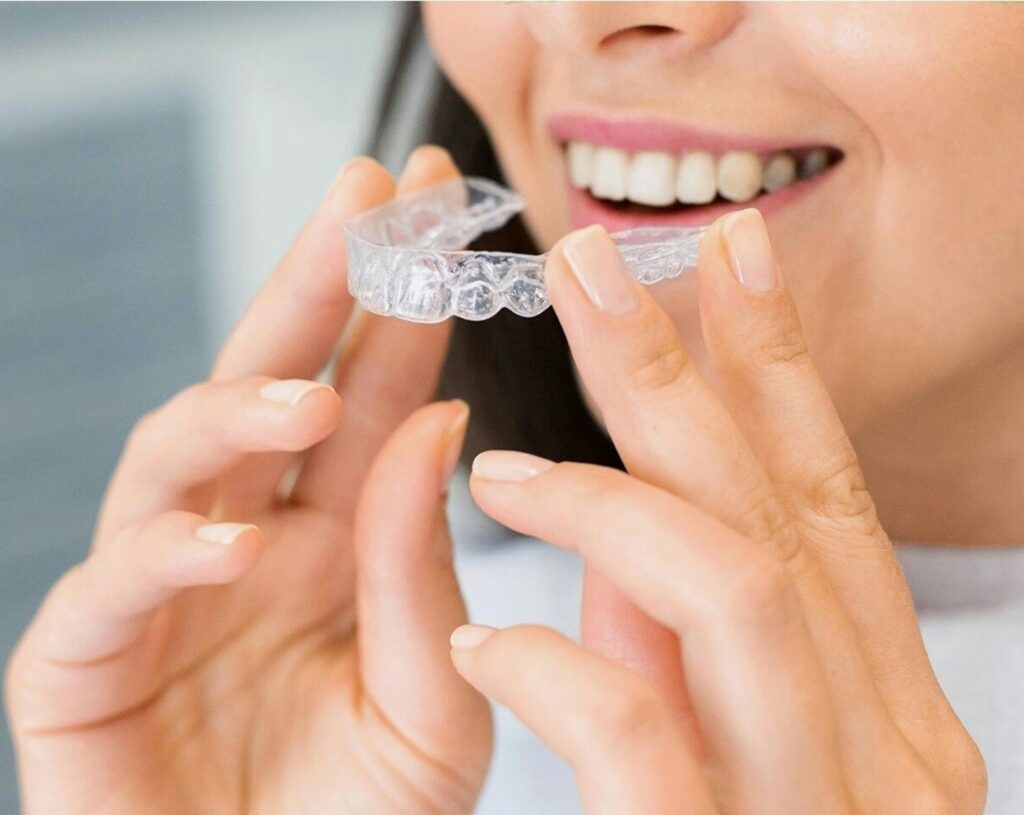
Invisalign answers a surprising number of these concerns in one system. The trays are removable, smooth, and discreet. For the right case, that combination changes the entire emotional experience of orthodontic treatment. People feel they are improving their smile without putting the rest of life on pause.
Why discretion matters more than many people admit
There is a practical side to appearance that often gets dismissed as vanity, but that misses the point. For many adults, visible braces can make them feel self-conscious at work, especially if they are in public-facing roles. Real estate professionals, attorneys, executives, sales representatives, therapists, and media professionals often say the same thing in different words: they do not want their orthodontic treatment to speak before they do.
That is one of the strongest reasons patients choose Invisalign Calabasas CA. The aligners are not invisible in the literal sense, but they are low profile enough that many people will not notice them in casual conversation. Even if they do, clear aligners tend to read as modern and unobtrusive rather than distracting.
This matters on camera too. Video meetings have made people far more aware of their face and smile from angles they never used to study. It is common for patients to say they first became serious about alignment after months of seeing themselves on screen. They wanted to improve crowding or spacing, but they did not want a treatment method that felt more noticeable than the issue they were trying to fix.
Comfort is not a small benefit
Ask anyone who has worn traditional braces long enough and they can usually recall a wire poking the inside of the cheek or a bracket loosening at the worst possible time. Braces are effective, but they come with friction, literally and figuratively.
Invisalign trays are made of smooth plastic and custom-fitted to the teeth. Patients still feel pressure when moving to a new set, and that pressure is part of how the system works. Teeth do not move without force. But many people find the sensation more manageable than the combination of tightening appointments, metal hardware, and soft tissue irritation that can come with braces.
Comfort affects more than mood. It affects compliance. When treatment feels tolerable, patients are more likely to stay engaged with the process, wear aligners as instructed, and attend follow-up visits without dread. Parents notice this quickly with teenagers. Adults appreciate it because they can continue working, speaking, traveling, and socializing without the constant awareness that something sharp or bulky is in their mouth.
There is also a practical side after appointments. With braces, adjustments can leave teeth sore for several days, and emergency visits sometimes happen when hardware breaks. With aligners, there can still be moments of soreness, especially in the first day or two of a new tray, but the experience is often steadier and easier to predict.
Food freedom changes the daily experience
One of the least glamorous but most persuasive reasons patients prefer aligners is that they can still eat normally. With braces, certain foods become risky or simply off limits. Popcorn, sticky candy, hard nuts, crusty bread, chewy bagels, and many crunchy snacks have a way of finding weak points in brackets and wires.
With Invisalign, aligners come out before meals. That means patients can continue to eat a normal diet as long as they brush before putting the trays back in. This sounds like a minor convenience until you think about how often eating intersects with work, family, and social routines.
A patient going from one business lunch to another does not want to explain why salad has become difficult. A teenager does not want to navigate every team dinner or birthday party around appliance restrictions. Someone who enjoys coffee, though they may need to be more strategic about it, generally finds the routine easier than trying to protect fixed hardware around every meal.
The trade-off is responsibility. Removable aligners only work when they are actually worn, usually close to 20 to 22 hours a day depending on the case and the doctor's instructions. Patients who like the idea of taking trays out but are not disciplined about putting them back in may not be ideal candidates. This is where an honest consultation matters. Convenience helps, but only when it does not become an excuse for inconsistent wear.
Better oral hygiene is a serious advantage
Dentists and hygienists often notice a pattern with crowded teeth and fixed appliances: keeping everything truly clean is hard. Braces create extra ledges and tight spaces where plaque can linger. Even motivated patients need more time and better technique to brush and floss thoroughly around brackets and wires.
Aligners simplify oral hygiene because they are removed before brushing and flossing. Patients clean their teeth the way they normally would, then clean the trays and reinsert them. For people with a history of gingivitis, plaque buildup, or heavy staining, that difference can be substantial.
This Invisalign Calabasas CA is especially relevant for adults who already have restorative work, mild recession, or areas that need close periodontal monitoring. In those cases, the ability to maintain routine home care without navigating around fixed hardware can make treatment feel safer and more manageable. It does not eliminate the need for discipline, but it removes a common obstacle.
The treatment process feels more tailored
One reason patients are drawn to Invisalign is that the process often feels highly customized from the beginning. Digital scans replace the mess and discomfort of old-style impressions in many offices. Those scans allow the doctor to evaluate crowding, spacing, bite relationships, and tooth shape with impressive precision.
Patients appreciate seeing a clearer roadmap. They want to know how long treatment might take, whether attachments will be needed, how visible those attachments are, and what kind of refinement phase may follow the first set of trays. A well-run Invisalign consultation answers these questions directly rather than selling a one-size-fits-all dream.
That transparency matters in Calabasas, where patients are often balancing treatment against packed calendars and high expectations. They want specifics. They want to know if they will need elastics. They want to know whether travel will interfere with visits. They want to know whether previous dental work affects candidacy. A thoughtful Invisalign provider can usually outline these issues with enough detail that the patient understands both the promise and the responsibility.
Why lifestyle fit drives so many decisions in Calabasas
Local culture shapes dental preferences more than many people realize. In areas where personal presentation and schedule flexibility carry real weight, people naturally gravitate toward treatments that support both. That does not mean patients are superficial. It means they value options that work with the rhythm of their lives.
In Calabasas, many patients juggle demanding careers, school schedules, athletic commitments, entertainment industry work, travel, and active social calendars. A treatment method that is discreet, removable, and easier to manage on the go has obvious appeal. Someone leaving for a long weekend or a work trip often finds it simpler to pack several aligner sets than to worry about a wire break while out of town.
Parents see this too. Teens involved in music, dance, theater, or contact sports may prefer aligners because there is less concern about hardware-related mouth irritation during practice or performance. Adults appreciate being able to remove aligners briefly for important moments, provided they stay within the wear guidelines. That flexibility feels modern because it respects the reality that treatment happens inside a full life, not in a vacuum.
Patients like knowing what they can expect
Predictability builds trust. Clear aligner therapy often gives patients a strong sense of progress because each tray represents a small step forward. They can see the sequence, feel the changes over time, and understand that movement is happening in planned stages.
That can be motivating, particularly for adults who delayed orthodontic treatment for years. Instead of feeling trapped in an open-ended process, they often feel they are moving through a structured plan. It is not instant, and it is not perfect every time, but it is tangible.
What patients tend to appreciate most is straightforward communication around the variables. Some cases are relatively short, perhaps six to nine months for mild alignment issues. Others may extend well beyond a year, especially when bite correction is involved. Refinements are common and should not be treated like a surprise or failure. Teeth do not always move exactly on schedule, and skilled providers account for that reality.
The best candidates understand the trade-offs
Clear aligners are popular, but popularity should never replace clinical judgment. There are cases where braces may still offer better control, especially with significant rotations, major vertical movement, or more complex bite correction. There are also patients whose habits make removable treatment risky, no matter how attractive the system sounds.
The most satisfied Invisalign patients usually share a few traits:
- They want a discreet treatment option and value aesthetics during the process.
- They can commit to wearing aligners for the recommended hours each day.
- They are willing to brush, floss, and clean trays consistently.
- They understand that attachments, refinements, or elastics may still be part of treatment.
- They prefer convenience, but not at the expense of following instructions.
This is where a good consultation becomes more important than marketing. A reputable provider will not push aligners simply because a patient asks for them. They will evaluate whether Invisalign can produce a healthy, stable result. Sometimes the answer is yes with confidence. Sometimes the answer is yes, but with caveats. Sometimes the answer is no, and that honesty is part of quality care.
What the experience often looks like in real life
A common pattern goes something like this: an adult has been mildly bothered by crooked lower front teeth for years. They finally book a consultation after noticing wear or increasing crowding. The scan shows a treatable case. They move forward because they can imagine completing treatment without major disruption to work or family life.
The first few days with aligners feel strange. Speech may sound slightly off for a short period, usually on certain sounds. There is pressure, especially when changing to a new set. Then the routine settles in. Meals become the anchor points for removing trays. Brushing after coffee becomes more intentional. Follow-up visits are shorter than expected. A few months later, photos reveal changes the patient did not notice day by day.
That progression is one reason people speak positively about Invisalign after finishing. They remember treatment as something integrated into life rather than something that dominated it. It still required commitment, but it did not make them feel conspicuously dental every hour of every day.
Cost matters, but value usually matters more
Price is always part of the decision, and it should be. Orthodontic treatment is a meaningful investment. In many offices, Invisalign fees may be comparable to braces for similar cases, though this varies by complexity, provider experience, and length of treatment. Patients should ask exactly what is included, whether retainers are separate, and how refinements are handled.
What many patients are really evaluating, however, is value. They are weighing cost against convenience, confidence, comfort, and time. If a patient believes they can maintain treatment better, feel better during treatment, and preserve professional confidence while straightening their teeth, Invisalign can feel worth it even when the fee is not the lowest option.
That value calculation becomes even stronger when oral hygiene and reduced dietary restriction are part of the picture. It is easier to justify treatment when the daily experience feels workable instead of burdensome.
Questions patients should ask before starting
Choosing a provider is not just about finding clear aligners. It is about finding someone who can diagnose accurately, set realistic expectations, and guide treatment when teeth do not behave exactly as planned. Patients considering Invisalign Calabasas CA usually benefit from asking direct, practical questions during the consultation.
- Am I a good candidate for Invisalign, or would braces move my teeth more predictably?
- How long is treatment likely to take in my case, including possible refinements?
- Will I need attachments, elastics, or interproximal reduction, and why?
- How often will follow-up visits happen, and what should I do if a tray does not fit well?
- What is included in the fee, especially retainers and post-treatment follow-up?
The answers reveal a lot. Clear, specific responses usually indicate a provider who has done this many times and understands the details that affect outcomes. Vague reassurance can be a warning sign.
The role of retention, which patients often underestimate
Straightening teeth is only half the story. Keeping them straight is the long game. Teeth have memory, and without retention they can drift, sometimes surprisingly fast. This is true after braces and after aligners.
Patients who are happy with Invisalign tend to be the ones who were prepared for retention from the start. They understand that retainers are not an optional add-on. They are part of protecting the investment. A provider who explains this early usually saves everyone frustration later.
There is also a psychological benefit to ending treatment with a realistic plan rather than a vague sense that the work is done forever. Patients appreciate knowing what nighttime retainer wear will look like, how replacements are handled, and what signs of shifting should prompt a check-in.
Why preference often comes down to quality of life
When you strip away the marketing language, the reason many patients prefer Invisalign is simple: it tends to interfere less with the way they want to live. They can smile in meetings without feeling overly self-aware. They can remove trays to eat. They can brush and floss normally. They can often travel more easily, manage appointments with less disruption, and move through treatment with a stronger sense of control.
That does not mean Invisalign is effortless. It asks for consistency and responsibility. It may include attachments that make the aligners slightly more noticeable up close. Some patients need refinements. Some discover they are not as compliant as they expected. And some are simply better served by braces.
But for the many patients who are good candidates, the appeal is clear. Invisalign aligns with modern expectations around flexibility, appearance, and practicality. For adults and teens in a community like Calabasas, that combination carries real weight. They are not only choosing a way to straighten teeth. They are choosing a treatment experience that feels more compatible with who they are and how they live.
Oaks Dental
5000 Parkway Calabasas, Suite 308
Calabasas, CA 91302
(818) 643-6521
FAQ About Invisalign Calabasas CA
How many hours a day should I wear Invisalign?
Clear aligners are typically worn for 20 to 22 hours a day. Follow your dentist’s instructions for your specific treatment plan.
What age is best for Invisalign?
Many teens and adults can use clear aligners. A dentist can assess dental development, oral health, and the type of tooth movement needed.
What affects the cost of Invisalign in California?
Cost depends on the complexity and length of treatment and what the quoted plan includes. Ask for an itemized estimate and check any orthodontic coverage with your insurer.