Invisalign Calabasas CA for a More Predictable Smile Journey
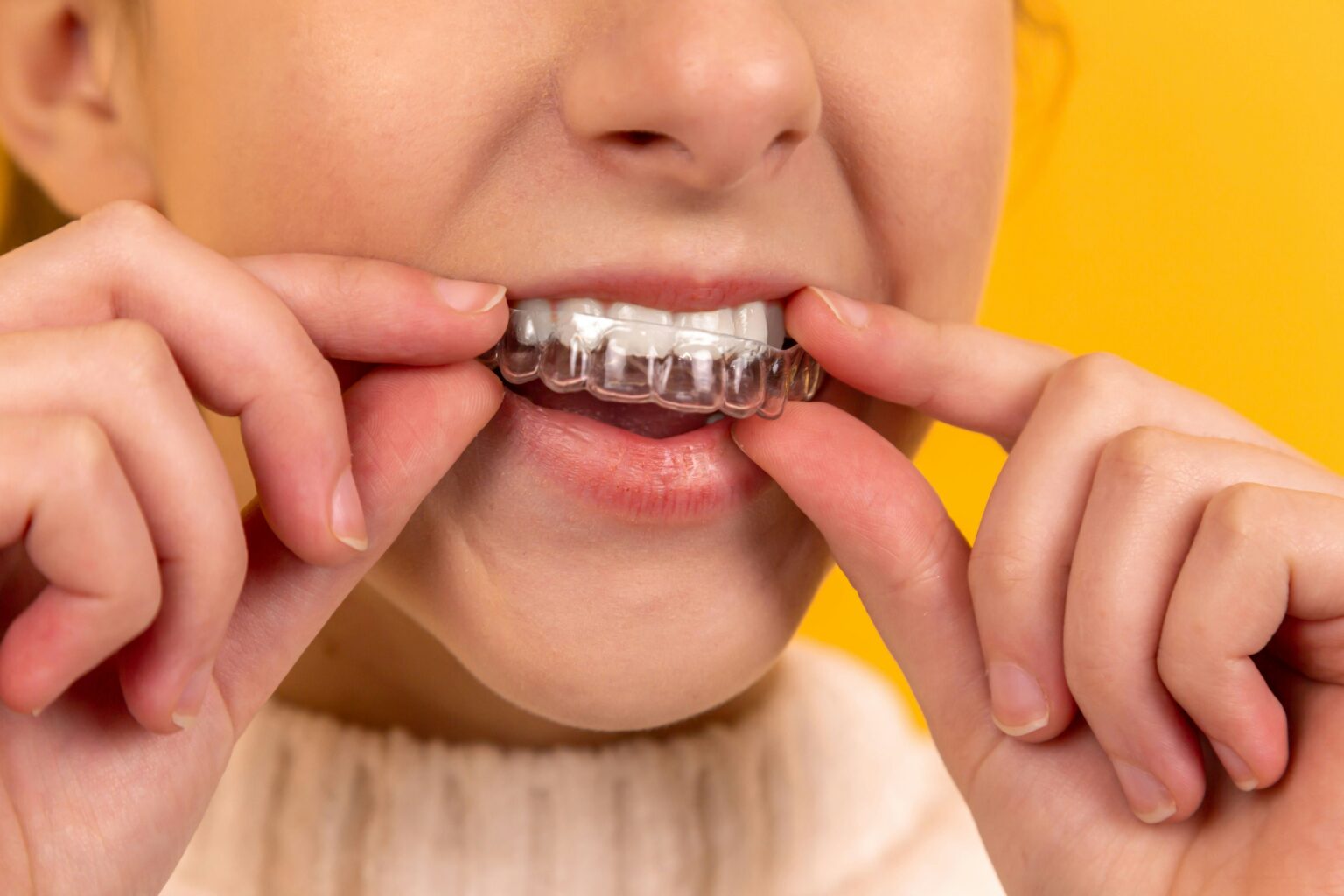
A straighter smile is rarely just about looks. For many adults and teens, it is tied to confidence at work, comfort in photos, easier brushing and flossing, and in some cases less wear on teeth over time. What makes people hesitate is not always the idea of orthodontic treatment itself. It is the uncertainty around it. How long will it take? Will it be obvious? Will the result match what was promised? Those questions come up in almost every serious consultation.
That is where Invisalign has changed the conversation. When treatment is planned carefully, monitored consistently, and matched to the right case, it offers a level of visibility that many patients find reassuring. For people looking into Invisalign Calabasas CA, the appeal often comes down to control. You can remove the aligners to eat. You can see the stages of movement before you begin. You can usually fit appointments into a busy schedule without the same interruption that traditional braces can bring.
Still, predictability does not happen automatically just because the aligners are clear. It comes from planning, case selection, patient habits, and honest communication about what aligners can and cannot do well. A smooth smile journey is less about marketing language and more about details that matter in daily life.
Why predictability matters more than speed
Many patients begin by asking how fast Invisalign works. That makes sense, but speed is only one part of the decision. A treatment that finishes quickly but needs major corrections later is not efficient. A more predictable approach tends to be more valuable because it reduces surprises, helps preserve momentum, and gives patients a realistic picture of what lies ahead.
In practice, predictability often means several things at once. It means your provider has evaluated whether clear aligners are appropriate for your bite and crowding pattern. It means your trays are built from precise scans rather than messy impressions. It means attachments, elastics, or interproximal reduction are explained in plain language before you commit. It also means you understand your role, because aligners only work when they are worn as directed.
I have seen the difference this makes in real-world treatment. One patient may start with mild crowding and finish on schedule because she wears her trays 22 hours a day and switches aligners exactly when instructed. Another may have a similarly mild case on paper but lose months because trays spend too much time in a purse instead of in the mouth. The system is highly capable, but it is not passive.
The kind of cases Invisalign handles well
The best outcomes often begin with a straightforward question: is this a strong Invisalign case, or a case that might be better served by braces or a hybrid approach? Clear aligners can treat many common orthodontic concerns very effectively, especially when the provider has experience with digital treatment planning and tooth movement mechanics.
Mild to moderate crowding is a classic example. Small rotations, spacing, and arch alignment usually respond well, particularly when the patient is disciplined. Minor relapse after past orthodontic treatment is another common reason adults seek Invisalign. Someone who wore braces years ago and noticed gradual shifting can often get back to a healthy, even smile without returning to brackets and wires.
Bite issues are more nuanced. Some overbites, overjets, and crossbites respond very well to aligners, especially with attachments and elastics. More severe skeletal discrepancies may require a different strategy. That is not a shortcoming unique to Invisalign. It is simply what responsible orthodontic planning looks like. The most trustworthy consultation is not the one that says yes to everything. It is the one that explains the trade-offs clearly.
What makes Invisalign feel more predictable
The word predictable gets used loosely in dentistry, but in the context of aligners it has a practical meaning. Patients want fewer unknowns. They want to know what the process looks like, how progress is tracked, and what happens if a tooth does not move exactly on cue.
A good Invisalign process usually includes a few essential elements:
- A thorough examination of tooth alignment, bite, gum health, and jaw function before treatment starts.
- High-quality digital scans and photographs that allow detailed planning.
- A realistic treatment simulation that shows probable movement, not an idealized fantasy.
- Scheduled monitoring to catch tracking problems early.
- A retention plan after treatment, because teeth always have a memory.
What often reassures patients most is seeing the plan mapped out in stages. The digital setup can show how teeth are expected to move across time, and that visual roadmap is powerful. It gives context to why certain attachments are placed, why enamel may need slight polishing between teeth in selected cases, or why refinement trays are common near the end.
Refinements deserve a special mention because they are often misunderstood. Needing additional trays does not mean treatment failed. In many cases, refinements are simply the final adjustment phase, similar to tailoring a suit after the main structure is complete. Teeth are biologic structures, not machine parts. They do not always move identically to a digital forecast. The key is that a well-run case anticipates this possibility and manages it without drama.
The Calabasas patient profile and why lifestyle fit matters
Patients in Calabasas often bring a specific set of priorities to orthodontic care. Many juggle professional meetings, social commitments, school schedules, sports, travel, and a strong preference for treatments that look discreet. Invisalign fits that lifestyle well because it is low-profile and flexible. That said, flexibility can become a weakness when not handled carefully.
Traditional braces are always on. Invisalign depends on consistent wear. For someone with a highly structured day, that can be easy. For someone who snacks constantly, travels frequently, or tends to forget routines, it can become an obstacle. Predictability comes from honest self-assessment as much as from the technology itself.
A busy real estate professional, for example, may love that aligners are nearly invisible during client meetings. But if she removes them repeatedly for coffee, lunch appointments, and evening events, the cumulative wear time may drop below the threshold needed for dependable tracking. On the other hand, a college student home for the summer might thrive because his schedule is regular and he is motivated by a clear end goal before the next semester.
This is one reason consultations for Invisalign Calabasas CA should go beyond cosmetic goals. The provider should ask about habits, work rhythms, travel, public speaking, sports, and even how often you realistically snack or sip drinks other than water. Those details influence whether your treatment feels smooth or frustrating.
What to expect at the first consultation
A strong first visit should feel educational, not rushed. You should leave with a clearer understanding of your starting point and the possible paths forward. Most practices begin with a clinical exam, photos, and digital scans. From there, the provider assesses spacing, crowding, bite relationships, gum condition, existing dental work, and any signs of clenching or grinding.
If you have crowns, veneers, implants, or bridgework, those details matter. Teeth with restorations can often still be treated, but movement mechanics may change. Implants, for instance, do not move like natural teeth. That does not eliminate Invisalign as an option, but it does require thoughtful planning.
The discussion should also cover timeline ranges rather than hard promises. Mild cosmetic alignment may take only several months. Moderate cases often run closer to a year or more. More complex treatment can extend beyond that, especially if bite correction is involved. Anyone guaranteeing a perfect finish by a specific date before completing records is oversimplifying the process.
Attachments, elastics, and other details patients should know
One reason people sometimes feel surprised mid-treatment is that they expected “invisible trays” and did not realize what else might be involved. Invisalign can remain subtle, but it is not always completely unnoticeable. Small tooth-colored attachments are frequently bonded to certain teeth to help the aligners grip and guide movement. They are usually less visible than braces, but they are part of the treatment.
Elastics may also be recommended for bite correction. These are small rubber bands that connect in specific ways to support jaw and tooth relationships. For some patients, this is the difference between a purely cosmetic straightening plan and a more complete orthodontic correction.
Interproximal reduction, sometimes called IPR, can sound intimidating until it is explained properly. In selected cases, a tiny amount of enamel is polished between teeth to create space for alignment. The amounts are conservative, and when indicated it can prevent excessive flaring and improve how teeth fit together. Patients appreciate this more when it is discussed upfront rather than mentioned casually halfway through treatment.
The role of compliance, where most unpredictability begins
If there is one factor that consistently separates smooth Invisalign cases from drawn-out ones, it is compliance. The aligners must be worn enough hours each day for the programmed movements to occur. Most providers recommend around 20 to 22 hours daily. That leaves time for meals, oral hygiene, and the occasional short break, but not for long stretches out of the mouth.
The most common reasons treatment slows down are surprisingly ordinary. People forget to put the trays back in after lunch. They leave them wrapped in napkins at restaurants. They switch trays too early because they are eager, or too late because they lost track of the schedule. Some wear trays at night only and assume that is close enough. It usually is not.
Patients who succeed tend to develop a few practical habits:
- They keep the aligner case with them instead of setting trays on tables or in tissues.
- They rinse or brush after eating so reinsertion is easy and comfortable.
- They use phone reminders for tray changes and wear time.
- They report poor fit early instead of waiting for the next routine check.
- They treat retainers after treatment with the same seriousness as active trays.
None of these habits are complicated, but they are powerful. Predictability in orthodontics often comes from repeated small decisions rather than one dramatic step.
Why digital monitoring helps, but does not replace judgment
Some offices now use remote monitoring tools that let patients send periodic photos from home. This can be genuinely helpful, especially for busy families and professionals who prefer fewer in-office visits. If a tray is not seating properly or an attachment is missing, the issue can sometimes be identified early.
At the same time, remote convenience should not be mistaken for total hands-off care. Certain aspects of bite function, fit, attachment placement, gum response, and occlusion are still best evaluated in person. The most effective practices use technology to support treatment, not to avoid clinical oversight.
This is worth remembering when comparing providers. Lower-touch systems may sound appealing, but orthodontic treatment is a biologic process. Teeth may track beautifully until one stubborn lateral incisor lags behind. A provider with strong clinical judgment can adjust the plan quickly. That responsiveness is part of what makes the journey feel dependable.
Comparing Invisalign to braces without oversimplifying
Patients often ask whether Invisalign is better than braces. The honest answer is that each has strengths. Clear aligners are excellent for discretion, removability, and hygiene access. Braces can offer more fixed control in certain complex movements or for patients unlikely to wear aligners consistently.
Cost may overlap more than people expect. In many markets, including Calabasas, fees for Invisalign and braces can be fairly similar depending on complexity. The better question is not which system sounds more modern, but which one fits your clinical needs and daily habits. A treatment plan should serve the patient, not the other way around.
There is also the issue of comfort. Many patients find Invisalign easier on the cheeks and lips than brackets. The pressure from a new tray can still create soreness for a day or two, but it is usually manageable. Speech changes may occur briefly at the start, particularly with “s” sounds, though most people adapt within days.
Adult treatment, teen treatment, and different expectations
Adults often seek Invisalign because they want orthodontic correction without the look of braces in professional or social settings. Their goals may center on crowding, relapse from past treatment, or improving the appearance of the front teeth before major life events. Adults also tend to be more consistent with wear once they commit, though busy schedules can get in the way.
Teens can also do very well with Invisalign, particularly those involved in sports or performing arts. Parents often appreciate that there are no brackets to break and fewer emergency visits for poking wires. However, teen cases still depend heavily on responsibility. Aligners cannot work from a backpack.
The expectations differ too. Adults may be laser-focused on cosmetics and timeline. Teens may need more coaching about wear time, oral hygiene, and not losing trays during lunch at school. A provider experienced with both age groups will tailor communication accordingly rather than using the same script for everyone.
The financial side, and why value is more than the fee
Cost always matters. Invisalign treatment in Calabasas can vary based on case complexity, treatment length, refinement needs, the experience of the provider, and what is included in the fee. Some plans bundle retainers and follow-up visits, while others price those separately. Insurance may help in some cases, especially if the policy includes orthodontic benefits.
The cheapest quote is not automatically the best value. If planning is shallow, monitoring is sparse, or retention is treated as an afterthought, the apparent savings can fade quickly. A predictable smile journey often comes from a practice that has clear systems, good communication, and a realistic philosophy about outcomes.
Patients should feel comfortable asking what happens if additional refinement trays are needed, how many appointments are typically expected, whether retainers are included, and what support exists if a tray is lost. Those are practical questions, and the answers often tell you more than a glossy brochure does.
Retainers, the part patients underestimate most
The end of active treatment is not the end of tooth movement. Teeth are always under the influence of muscles, bite forces, and the memory of their previous positions. Without retention, shifting can happen, sometimes surprisingly fast. This is one of the most common sources of disappointment after otherwise successful orthodontic care.
A predictable smile journey includes a retention plan from the beginning. Most patients receive clear retainers that look similar to aligners, though they serve a different purpose. Wear schedules vary by case and provider recommendation, often starting with more frequent wear and then transitioning to nights. The important point is that retention is not optional if you want to protect the result.
This is especially important for adults who sought Invisalign after previous relapse. If teeth moved once after old orthodontic treatment, they can move again if retainers are ignored. There is no drama in this reality, just biology.
How to choose the right provider in Calabasas
When someone searches for Invisalign Calabasas CA, the options can look similar at first glance. Websites tend to emphasize aesthetics, comfort, and convenience, which are all valid. What is harder to judge online is planning quality and follow-through.
Look for a provider who explains not just the upside, but also the limitations. If your case may need attachments, elastics, IPR, or refinements, that should be part of the conversation early. Invisalign Calabasas CA If your bite is complex enough that braces or a combined approach may work better, that should be said plainly. Trust tends to build when the advice feels measured rather than promotional.
Pay attention to how the office communicates. Are questions answered directly? Are timeline estimates presented as ranges with context? Does the team explain what happens if trays stop fitting? A polished office matters less than a thoughtful process.
Patient reviews can help, but they are only one piece of the picture. Many people leave reviews based on friendliness and scheduling, which are important, but not the whole story. A consultation is still the best place to assess whether the provider thinks carefully and speaks honestly.
A straighter smile with fewer surprises
Orthodontic treatment always involves some degree of adjustment. Teeth are living structures, not software. Even so, Invisalign has made the path to a better smile more visible and often more manageable for the right patient. The predictability people want does not come from the trays alone. It comes from a good diagnosis, a realistic plan, attentive monitoring, and patient habits that support the biology instead of fighting it.
For many people exploring Invisalign Calabasas CA, that combination is exactly what makes treatment feel worthwhile. You are not simply buying clear plastic aligners. You are investing in a process that should respect your time, your appearance, your health, and your expectations. When those pieces line up, the journey tends to feel less uncertain and the result far more satisfying.
Oaks Dental
5000 Parkway Calabasas, Suite 308
Calabasas, CA 91302
(818) 643-6521
FAQ About Invisalign Calabasas CA
How many hours a day should I wear Invisalign?
Clear aligners are typically worn for 20 to 22 hours a day. Follow your dentist’s instructions for your specific treatment plan.
What age is best for Invisalign?
Many teens and adults can use clear aligners. A dentist can assess dental development, oral health, and the type of tooth movement needed.
What affects the cost of Invisalign in California?
Cost depends on the complexity and length of treatment and what the quoted plan includes. Ask for an itemized estimate and check any orthodontic coverage with your insurer.