Dental Implants and Confidence: Reclaiming Your Smile
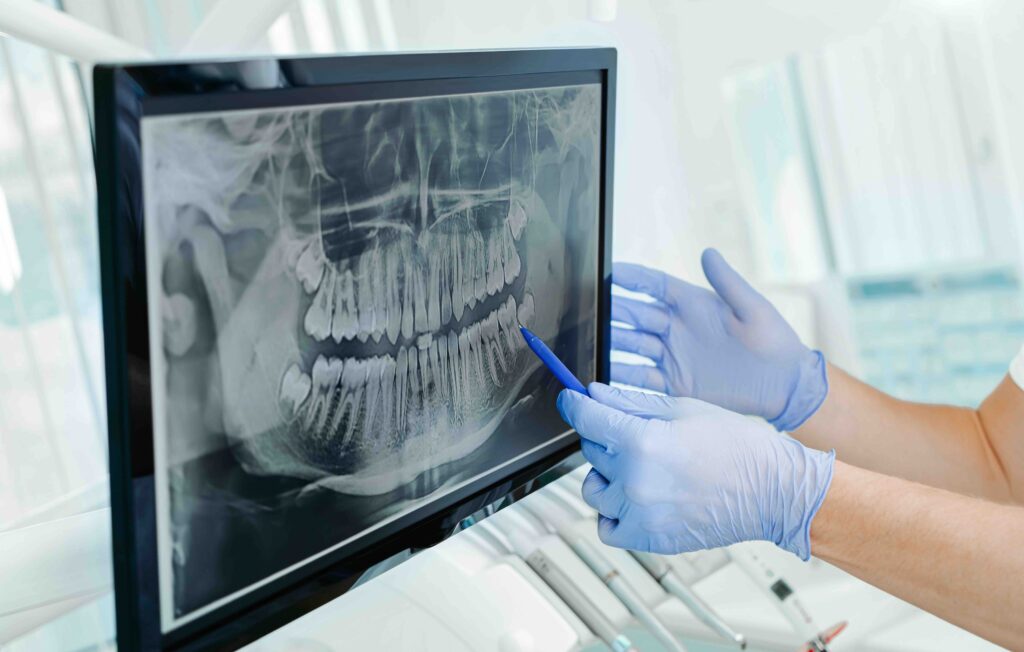
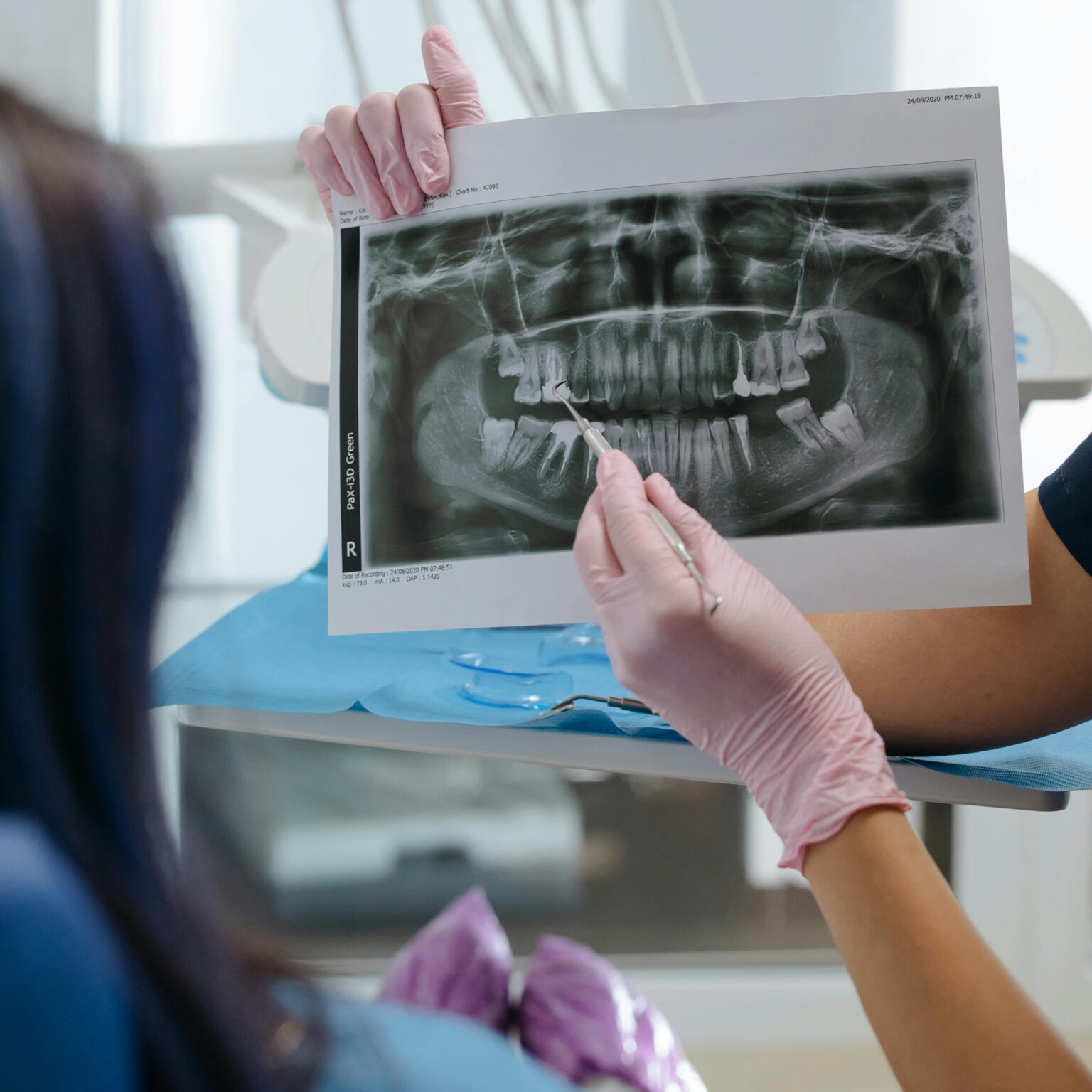

A missing tooth changes more than a bite. It changes how a person speaks, laughs, eats, poses for photos, and often how they carry themselves in a room. People rarely announce that part out loud. They say they want to replace a tooth because chewing feels awkward, or because food gets trapped, or because their dentist recommended it. Underneath those practical reasons, there is often something quieter and more personal: they want to stop thinking about their smile every minute of the day.
That is where Dental Implants have become so meaningful. They are not just a technical fix for a gap. At their best, they restore ease. Ease in conversation. Ease at dinner. Ease when someone tells a joke and your first instinct is to laugh instead of cover your mouth.
Confidence after tooth loss is not vanity. It is a form of social comfort and personal dignity. When people feel self-conscious about their teeth, they often adapt in ways they do not even notice at first. They smile with closed lips. They avoid certain restaurants. They stop ordering apples, crusty bread, steak, or corn on the cob. Some speak less in meetings because they are worried a denture might shift, or because air slips differently around a missing front tooth. These changes accumulate. Over time, they can affect self-image in a very real way.
Dental Implants offer a different path from removable solutions. They are designed to replace the root of the missing tooth as well as the visible crown. That distinction matters. It affects chewing force, bone support, long-term fit, and the natural feeling that many patients are looking for. The emotional benefit often follows the physical one.
Why a missing tooth can feel bigger than it looks
One lost tooth can seem minor to everyone except the person living with it. That is especially true when the missing tooth is visible, but it also applies to back teeth. Molars carry a lot of workload. When one is missing, the neighboring teeth and opposite arch often compensate. People may chew on one side without realizing it. Muscles tighten. Certain foods become a nuisance. It is common to hear someone say, “I can manage,” when what they really mean is, “I have built my habits around this problem.”
The psychological side is just as important. Teeth are tied closely to identity. They shape speech, facial support, and first impressions. Even a subtle change in the smile can make people feel older, less healthy, or less like themselves. Confidence is often discussed as if it were abstract, but in clinical settings it shows up in concrete ways. A patient who once avoided eye contact starts chatting freely after treatment. Someone who never smiled in photographs brings in a family picture and points out that this is the first one in years where they look relaxed.
That change does not happen because an implant is magical. It happens because function and appearance are linked. When your mouth feels stable, your body stops bracing for embarrassment.
What makes Dental Implants different
A dental implant is typically a small titanium or ceramic post placed in the jawbone where a tooth root used to be. After healing, an abutment and crown are attached, creating a replacement that looks and functions much like a natural tooth. For some patients, implants also support bridges or full-arch restorations.
The reason implants feel more secure than many alternatives is that they are integrated into the jaw. A removable denture rests on gum tissue. A traditional bridge depends on neighboring teeth for support. An implant, by contrast, stands independently in many single-tooth cases. That often preserves surrounding tooth structure and creates a more natural chewing experience.
Bone preservation is another important advantage. After a tooth is lost, the jawbone in that area begins to resorb, or shrink, over time. The body senses that the root is gone and reduces support in that region. An implant helps stimulate the bone during function, which may slow that process. This does not mean every implant prevents every contour change forever, but it does mean the replacement strategy is working with the biology of the jaw rather than ignoring it.
For patients, this technical difference usually translates into simpler terms. The tooth feels anchored. Food is easier to chew. There is less worry about movement. The smile feels more believable because it is supported from beneath, not just filled in from above.
The confidence piece is real, and often underestimated
The phrase “life-changing” gets overused in healthcare marketing, but there are situations where it is fair. Replacing a missing front tooth in a young professional who has been hiding their smile for years can absolutely be life-changing. So can stabilizing a lower denture with implants for an older adult who has spent a decade avoiding social meals.
What is worth saying clearly is that confidence after implants usually returns in stages. First comes relief. The gap is no longer visible, or the loose denture no longer shifts. Then comes trust. The patient tests the restoration in normal life, speaking, chewing, smiling, laughing. Finally, there is the point where they stop monitoring it altogether. That is the true goal. Not constant awareness of an expensive dental treatment, but the opposite, forgetting it is there.
A common pattern in practice is that patients initially focus on appearance and later talk more about comfort and freedom. The cosmetic improvement gets them through the door. The functional improvement is what makes them grateful months later. They can order what they want in a restaurant. They can attend weddings, interviews, and family gatherings without a private layer of anxiety. They can smile on reflex.
Who tends to benefit most
Dental Implants can be appropriate in many scenarios, but the best outcomes come when the case selection is thoughtful. A single missing tooth with healthy neighboring teeth is often an ideal indication. Rather than cutting down two natural teeth for a bridge, an implant can restore the missing space on its own.
People who wear dentures and struggle with looseness also tend to benefit greatly. Lower dentures, in particular, are notorious for instability because the lower jaw offers less surface area and more tongue interference. Even two well-placed implants to retain a lower overdenture can dramatically improve comfort and confidence.
Patients missing several teeth may use implants to support a fixed bridge. Those missing all teeth in an arch may be candidates for a full-arch implant restoration. These larger cases can be transformative, but they also require careful planning, realistic expectations, and maintenance discipline.
That said, being a good candidate is not just about wanting a better smile. Gum health, bone volume, medical history, smoking habits, bite forces, and oral hygiene all matter. A technically possible implant is not always a wise implant. Good treatment planning sometimes means slowing down, rebuilding bone, treating periodontal disease first, or considering a different option if the risks outweigh the benefits.
The consultation matters more than people think
People often assume the hard part is the surgery. In many cases, the harder and more important part is the planning before any surgery happens. A thorough consultation should look beyond the empty space and consider the entire system. How does the patient bite? Is there enough bone in height and width? What condition are the gums in? Is the tooth loss recent, or has the space collapsed over years? Are there habits like clenching or grinding? Is the patient hoping for speed, maximum longevity, or the lowest initial cost?
These questions shape the final result. For example, placing an implant in a highly visible front tooth area demands attention not only to bone but also to gum contours and smile line. A crown can be beautifully made and still look artificial if the tissue framing it is not right. On the other hand, in a back tooth area, function and load distribution may be the bigger concerns.
A strong consultation should also cover trade-offs honestly. Some patients can have an extraction and implant placed the same day, or within a short window. Others need months of healing or grafting. Some are excellent candidates for a fixed solution. Others may be safer with a removable design because of medical issues, budget limitations, or hygiene challenges. Confidence grows when expectations are realistic. It fades quickly when treatment is presented as simple when it is not.
What treatment usually feels like
One reason people delay implants is fear of the process. They imagine something dramatic or especially painful. The reality is often more manageable than expected. Placement is commonly done with local anesthesia, sometimes with sedation depending on the case and the patient's comfort level. The surgery itself can be surprisingly quick for a straightforward single implant. Recovery varies, but many patients describe it as easier than a difficult extraction.
That does not mean it is effortless. Mild to moderate soreness, swelling, and temporary dietary adjustments are common. If bone grafting is involved, healing may take longer. Front-tooth cases can be emotionally more demanding because appearance during the transition matters. Full-arch cases involve more appointments, greater cost, and a bigger adaptation period.
A typical treatment path may include:
- Evaluation with imaging and bite analysis.
- Implant placement, sometimes with grafting or extraction timing considerations.
- Healing time for integration, often several weeks to a few months depending on the case.
- Final restoration with a crown, bridge, or denture attachment.
- Ongoing maintenance and professional reviews.
The timeline is one of the biggest surprises for patients. Dental Implants are rarely an instant fix, even when temporary teeth are provided early in the process. They reward patience. The end result is strongest when the biology is respected.
The emotional arc during treatment
The period between losing a tooth and receiving the final restoration can be emotionally tiring. This is especially true when the missing tooth is in the smile zone or when a removable temporary does not feel secure. Good clinicians recognize that patients are not just waiting for osseointegration or gum maturation. They are living their daily lives in the middle of treatment.
That is why communication matters so much. Patients cope better when they know what is normal, what will happen next, and what appearance or comfort changes to expect along the way. A temporary crown may be intentionally designed out of heavy biting contact to protect the implant while healing. A denture may need adjustments as tissues settle. Soft foods may be necessary for a period that feels longer than expected. When these details are explained in advance, people are more patient with the process and less likely to panic at ordinary setbacks.
The confidence boost often starts before the final crown is even delivered. It begins the moment the patient feels there is a plan, a path, and a predictable way forward.
Not every implant story is straightforward
This is where experience and judgment matter. There are cases with thin bone, gum recession risk, sinus anatomy concerns, long-standing tooth loss, or heavy grinding forces. There are medically complex patients managing diabetes, autoimmune conditions, or medications that affect healing. There are smokers who want excellent outcomes while still carrying a known risk factor. There are patients whose expectations are driven by edited online before-and-after photos rather than anatomy.
Dental Implants can still succeed in many of these situations, but the discussion has to be more nuanced. Additional procedures such as bone grafting or soft tissue grafting may be needed. The ideal cosmetic result may not be possible without orthodontic movement first. A fast result may need to give way to a more conservative timeline. Sometimes the best professional advice is not “yes,” but “yes, with conditions,” or even “not yet.”
That does not weaken the value of implants. It strengthens it, because durable confidence comes from predictable treatment, not sales language.
Cost, value, and the question patients really ask
Most patients eventually ask some version of the same question: is it worth it? The answer depends on what problem they are trying to solve.
Dental Implants usually cost more upfront than removable options and often more than traditional tooth-supported bridges. The higher cost reflects surgery, components, laboratory work, imaging, planning, and follow-up. If grafting or multiple implants are involved, the total rises further. That reality cannot be brushed aside, especially for families balancing healthcare decisions against other financial priorities.
Yet value is not just the sticker price. A denture that is inexpensive but remains uncomfortable may carry a hidden cost in frustration, dietary compromise, adhesive use, repeat adjustments, and social hesitation. A bridge that requires preparing healthy adjacent teeth may be perfectly appropriate in many cases, but Dental Implants oaksdentistry.com it has a different long-term equation. An implant that feels stable and preserves function for many years may justify its cost for the right patient.
There is no universal answer. A retired person on a fixed income may reasonably choose a removable solution that is well made and well maintained. A younger adult with one missing tooth and healthy neighboring teeth may see an implant as the most sensible long-term investment. The right choice is the one that fits the biology, the goals, and the budget honestly.
What daily life looks like after successful treatment
When implants succeed, they tend to disappear into daily routine. That is exactly what most people want. Eating becomes less strategic. Speech feels normal again. Brushing and flossing become habit rather than a workaround. Smiling stops being a managed event.
A subtle but important benefit is facial support. Teeth and underlying bone influence the way the lips and cheeks are supported. When tooth loss goes untreated for a long time, especially across multiple teeth, people can notice a collapsed look around the mouth. Implant-supported restorations can help restore some of that structure, though the amount depends on the extent of bone loss and the type of prosthesis used.
Patients also often report changes that seem small until you add them up. They stop checking mirrors before meetings. They stop declining photos. They stop worrying that a denture might move when they laugh. They return to foods they had quietly given up. These are quality-of-life gains, not cosmetic extras.
Caring for implants so confidence lasts
Implants do not get cavities, but they are not maintenance-free. The surrounding tissues can still become inflamed, and bone can still be lost if plaque control is poor or if mechanical overload is ignored. People sometimes misunderstand implants as permanent in the sense of invulnerable. They are durable, not indestructible.
The habits that protect implants are not complicated, but they do require consistency:
- Clean around the implant carefully every day with the tools your dental team recommends.
- Keep regular professional maintenance visits so tissue health and bite forces can be monitored.
- Address clenching or grinding if it is present, often with a night guard when appropriate.
- Avoid tobacco, or at minimum understand that continued smoking raises the risk of complications.
- Report looseness, bleeding, or persistent discomfort early rather than waiting.
The patients who do best long term usually treat implants the way they would treat valuable natural teeth, with respect, routine care, and prompt attention if something changes.
When alternatives may be the better choice
A balanced conversation about confidence has to include the fact that Dental Implants are not automatically the best choice for every patient. Some people prefer to avoid surgery. Some have health factors that make surgery less desirable. Some need a faster or more economical solution. Others may have anatomy that would require extensive grafting for a result they do not personally value enough to justify the added complexity.
A well-made bridge can serve a patient very well. A carefully designed removable partial denture can restore function and appearance acceptably. Even a complete denture, when crafted thoughtfully and fitted well, can improve quality of life significantly. The goal is not to elevate implants into the only modern answer. The goal is to match the treatment to the person.
What implants often do better than alternatives is provide the feeling of rootedness. For patients whose confidence has been damaged by movement, looseness, or the awareness that a tooth is missing, that rooted feeling matters a great deal.
Reclaiming your smile is also reclaiming your attention
Perhaps the greatest gift of successful implant treatment is not the mirror result. It is the mental space that returns. When people stop thinking constantly about their teeth, they can direct that energy elsewhere, to work, family, meals, travel, and ordinary moments that should never have felt difficult in the first place.
That is why confidence is such an appropriate lens for this topic. A smile is not merely cosmetic. It is social, functional, and deeply tied to self-perception. Replacing a missing tooth or stabilizing an unreliable denture can restore more than anatomy. It can restore spontaneity.
For anyone considering Dental Implants, the smartest next step is not to chase the fastest promise or the lowest advertised fee. It is to get a careful assessment from a clinician who looks at the whole picture and speaks plainly about benefits, limitations, timing, and maintenance. The best implant cases are not rushed. They are planned well, executed precisely, and supported over time.
When that happens, the result is more than a replacement tooth. It is a smile that feels like yours again.
Oaks Dental
5000 Parkway Calabasas Suite 308
Calabasas, CA 91302, United States
+1 818-431-2000
FAQ About Dental Implants
What is the downside of a dental implant?
Implants require surgery and a healing period that can last several months. Possible complications include infection, nerve or sinus injury, damage to nearby teeth and failure to bond with bone. Your dentist should assess your health, bone support and alternatives before recommending treatment.
What do dental implants typically cost?
There is no single price for every implant case. The number of teeth replaced, implant components, final restoration and any grafting or extractions affect the total. Request a written estimate covering every stage and confirm insurance benefits and out-of-pocket costs with the practice.
How long do tooth implants last?
An implant can provide long-term support and may last a lifetime with good oral hygiene and regular dental care, but this is not guaranteed. The crown or other restoration may need replacement sooner. Smoking, gum disease and some health conditions can reduce implant success.