Dental Implants After Tooth Extraction: Timing Matters
When a tooth has to come out, the next question usually arrives before the anesthetic wears off: how long should you wait before replacing it?
For many patients, the answer seems like it should be simple. Either place the implant right away or wait until everything heals. In practice, timing is one of the most important clinical decisions in implant dentistry, and one of the most misunderstood. The best moment for placing dental implants after extraction depends on bone quality, infection, gum condition, bite forces, esthetic goals, medical history, and the position of the tooth in the mouth. A front tooth with a fractured root asks for a different strategy than a molar removed after years of infection.
There is no single timetable that fits everyone. What matters is choosing the timing that gives the implant the best chance of long-term stability, while also protecting the appearance of the gums and the comfort of the patient.
Why extraction changes the site more than most people expect
A natural tooth does more than fill a space. Its root stimulates the surrounding bone every time you chew. Once that root is removed, the bone no longer receives the same signals, and the body starts to remodel the area. This process is normal, but it can be unforgiving.
The greatest change usually happens in the first few months after extraction. The ridge often becomes narrower, and some height can be lost as well. In the front of the mouth, where even a millimeter matters, that shrinkage can affect not only whether an implant fits easily, but whether the final tooth looks natural against the gumline.
Patients are often surprised by this. They assume removing a bad tooth and coming back later for an implant is a neutral choice. It is not. Waiting can be sensible, even necessary, but it comes with biological consequences. One of the core jobs of an implant dentist is to manage those consequences, not simply react to them.
The four timing categories clinicians use
Dentists generally think about implant timing in four broad windows. These are not rigid boxes, but they are useful for understanding your options.
- Immediate placement means the implant goes in on the same day the tooth is extracted.
- Early placement with soft tissue healing usually happens after about 4 to 8 weeks, when the gums have started to recover.
- Early placement with partial bone healing often falls around 8 to 16 weeks, when both soft tissue and some bone fill have developed.
- Delayed placement typically means waiting several months, often 4 to 6 months or longer, until the socket has healed more completely.
That framework sounds tidy on paper. In the chair, it is more nuanced. A patient may be a good candidate for immediate placement in one part of the mouth and a poor candidate in another. A person with excellent general health and thick bone might move quickly, while someone with a chronic infection or major bone loss may benefit from staging treatment more carefully.
Immediate implant placement, when fast is smart
Same-day implant placement has obvious appeal. There is one surgery instead of two, treatment may move faster, and in some cases it helps preserve the tissues around the extraction site. In the esthetic zone, especially for a front tooth, immediate placement can be part of a very refined plan to maintain the shape of the gums.
But immediate does not mean rushed. The extraction has to be done with great care, preserving the surrounding bone. The implant also needs primary stability, which means it must engage solid bone beyond the socket. If the implant is merely sitting in the space left by the root without enough anchorage, failure becomes more likely.
A common example is a broken upper front tooth with otherwise healthy surrounding bone and no uncontrolled infection. If the facial bone plate is intact and the gum tissue is thick and healthy, immediate placement may work beautifully. The surgeon can remove the root atraumatically, place the implant slightly deeper and palatal to the original root position, graft the small gap that remains, and in some cases attach a temporary tooth the same day. When executed well, this approach can produce excellent esthetic results.
Still, immediate placement is not automatically the superior option. It is technique-sensitive. If the socket walls are damaged, if there is significant pus or tissue destruction, or if the gum architecture is fragile, trying to force an immediate implant can create more problems than it solves. I have seen cases where patients were promised a same-day solution simply because it sounded attractive. Months later they needed grafting, soft tissue correction, or implant replacement because the site was not suited for that shortcut.
Speed is valuable only when it serves biology.
When waiting a few weeks gives a better result
One of the most useful timing windows is early placement after soft tissue healing, often around one to two months after extraction. This approach can be an excellent compromise. The inflamed or infected tooth is removed, the gums begin to settle, and the surgeon returns once the site is cleaner and more predictable.
This is especially helpful when a tooth comes out because of endodontic failure, a vertical root fracture, or a chronic abscess that has irritated the tissues. Allowing a short healing period can reduce bacterial load, improve soft tissue quality, and make flap management easier. For a clinician focused on long-term esthetics, this timing often offers more control than immediate placement.
Patients sometimes worry that waiting six or eight weeks means they are losing their chance at an implant. Usually, that is not the case. In many situations, those weeks are strategically useful. The site becomes more stable, the gums look healthier, and treatment can proceed under calmer conditions.
This is also a period when socket preservation grafting may prove its worth. If the extraction site is likely to lose contour, placing graft material at the time of extraction can help maintain ridge volume while the area heals. It does not freeze the ridge in time, but it can reduce the amount of collapse and make later implant placement more straightforward.
Delayed placement is sometimes the right call
There are cases where the mouth needs more time, not less. Significant infection, thin residual bone, facial bone loss, or the need for major grafting can all make delayed placement the safest option. The same is true when medical factors complicate healing, such as poorly controlled diabetes, heavy smoking, a history of radiation in the jaws, or certain medications that affect bone turnover.
Delayed placement is sometimes portrayed as old-fashioned or less advanced. That view misses the point. If the site is damaged, delaying the implant may be the most sophisticated decision available. Stable bone and healthy soft tissue support predictable treatment. The aim is not to place an implant quickly. The aim is to place it well.
Take a lower molar with a large infection between the roots and bone loss extending toward the nerve canal. Placing an implant immediately after extraction might expose the patient to unnecessary risk and make it hard to achieve good stability. Extracting the tooth, grafting if indicated, allowing the site to mature, and then placing the implant later may offer a far safer path.
Delayed treatment can also be emotionally easier for some patients. Not everyone wants a long surgical visit on the same day a painful tooth is removed. Sometimes the better decision is to solve the immediate problem, let the mouth and mind settle, and plan the implant carefully.
Infection does not always rule out immediate placement, but it changes the calculus
This point deserves careful wording, because it is often oversimplified. The presence of infection does not automatically prohibit immediate implant placement. There are studies and clinical protocols showing acceptable outcomes in selected infected sites when debridement is thorough and the conditions are favorable.
That does not mean every infected socket should receive an implant on the day of extraction.
The real questions are more specific. How extensive is the infection? Is it localized or has it destroyed the socket walls? Can all granulation tissue be removed effectively? Is there enough solid bone left for primary stability? Are the soft tissues healthy enough to seal and mature properly afterward?
A small chronic lesion around the tip of a root is different from a tooth with widespread suppuration and bone loss. Experienced surgeons look beyond the label of “infection” and assess the actual architecture of the site. Patients benefit when that judgment is conservative and honest.
Front teeth and back teeth do not play by the same rules
Timing decisions are often influenced by location. The esthetic demands of the front of the mouth are high. Gum margins must match neighboring teeth. The contour of the ridge matters. The implant position has little room for error, and even slight resorption of the facial bone can show in the final result.
For that reason, immediate placement in the front can be ideal in carefully chosen cases, but it can also be unforgiving. The surgeon must think not just about whether the implant can be placed, but where the final crown should emerge through the gums. This is prosthetically driven surgery, not just filling a hole in bone.
Dental ImplantsMolars bring a different challenge. They handle heavy chewing forces and often have broader extraction sockets. Immediate placement can be more complex because the implant may need to engage bone between or beyond the former roots. Achieving stability in a large molar socket is not always easy. In many molar cases, a staged approach is more predictable.
Premolars sit somewhere in between, and they can be deceptive. They may look simple on scans but have thin surrounding bone or root shapes that complicate extraction. Good planning matters just as much there.
Bone grafting often determines the timeline
If patients remember one practical point, it should be this: the extraction site and the implant site are not always ready at the same time.
A tooth can be removed successfully, yet the remaining ridge may still be too narrow or too deficient for ideal implant placement. That is where grafting enters the conversation. Sometimes grafting is done at the time of extraction to preserve the ridge. Sometimes it is done at implant placement to fill small gaps. Sometimes it must be performed first, with the implant placed months later after the graft matures.
This is one reason online comparisons between “immediate” and “delayed” implants can be misleading. Two patients may both hear they need an implant after extraction, but one has intact bone and thick gum tissue while the other has years of collapse hidden beneath the surface. Their treatment calendars will look very different.
A well-done graft can save a case aesthetically and functionally. A poorly judged shortcut can create a narrow ridge, exposed implant threads, or a crown that looks long and unnatural.
The temporary tooth question
For many patients, especially those losing a visible front tooth, timing is closely tied to appearance. They do not just ask when the implant can be placed. They ask whether they will walk out with a tooth.
That is a separate decision. An implant can be placed immediately without a temporary crown, and a temporary tooth can sometimes be worn even if implant placement is delayed. The key issue is load control. A temporary restoration in the front may be shaped to support the gums while being kept out of biting contact. In the back of the mouth, a temporary attached to a newly placed implant may be less advisable if chewing forces are hard to manage.
This distinction matters because some patients hear “same-day tooth” and assume it means the final result is almost complete. Usually it is not. The temporary is a provisional step, not the finished restoration. It can look very good, but it still has to protect healing and support the long-term plan.
Who is more likely to need a slower approach?
Certain factors make immediate or early placement less predictable. None of them automatically disqualify a patient, but each deserves serious attention.
- Heavy smoking or vaping, especially when combined with poor gum health
- Uncontrolled diabetes or other medical conditions that impair healing
- Thin gum tissue and a thin facial bone plate, particularly in the front teeth
- Active grinding or heavy bite forces
- Large infections, missing socket walls, or major bone defects after extraction
These are not reasons for despair. They are reasons to individualize treatment. A smoker with a damaged front tooth may still receive an excellent implant, but perhaps after extraction, grafting, smoking reduction, and a carefully timed second-stage surgery. The sequence changes because the biology changes.
What a good treatment plan looks like
The strongest implant plans are rarely built around haste. They are built around diagnosis.
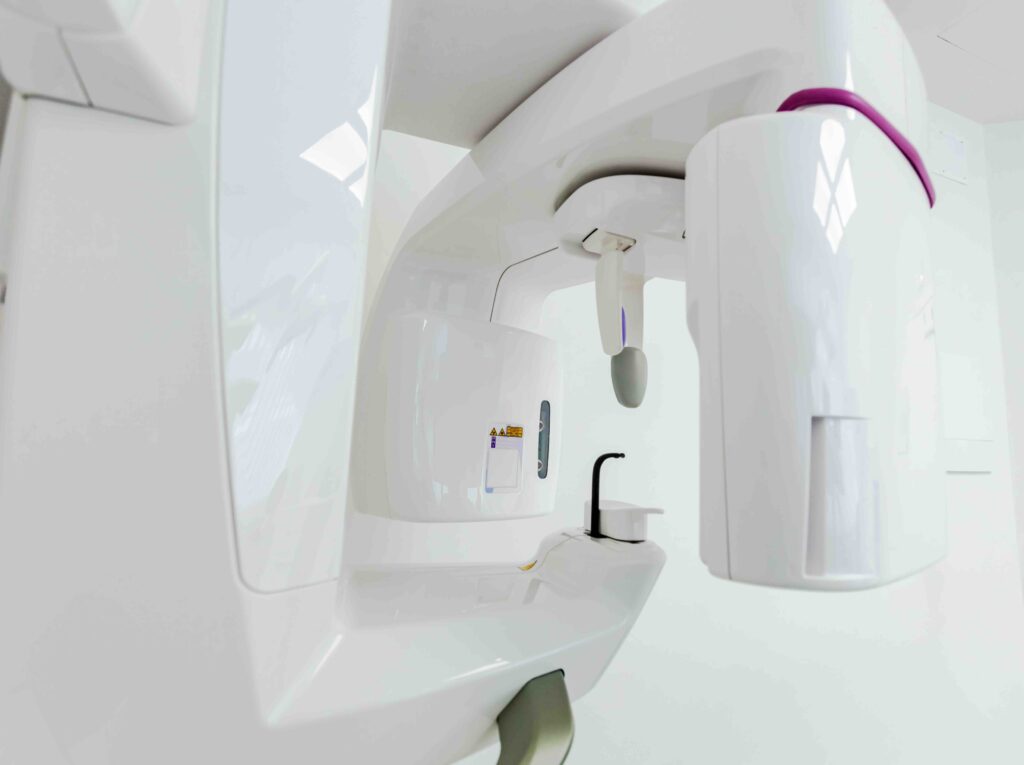
That usually means a detailed clinical exam, imaging such as a CBCT scan when appropriate, evaluation of the bite, and an honest conversation about esthetic expectations. If the tooth is in the smile zone, photos and mock-ups may be part of the planning. If the site is compromised, the patient should hear that clearly before surgery, not after.
A thoughtful plan often answers several questions at once. Can the tooth be extracted atraumatically? Is immediate placement feasible? Will a graft be needed regardless of timing? Can a temporary be delivered safely? Will the final restoration be screw-retained or cemented? Does the patient understand that implant placement and crown delivery are separate milestones?
When those answers line up, timing becomes clearer.
Healing timelines patients should realistically expect
This is another area where expectations matter. Even when the implant goes in on the same day as the extraction, the body still needs months to integrate it. Bone must heal around the implant surface, and the gums must mature into a stable shape before the final crown is made.
A straightforward implant in healthy bone may be restored in roughly three to four months, sometimes a bit sooner, sometimes later. Sites that needed grafting or had soft tissue challenges often take longer. Upper jaw bone can heal differently from lower jaw bone. Cosmetic shaping around front teeth may require more patience than a non-esthetic molar case.
Patients tend to tolerate treatment better when they understand that “immediate placement” refers to surgery timing, not instant completion.
Questions worth asking before deciding on timing
A brief conversation can reveal whether the plan is biologically sound or simply convenient. If you are facing extraction and considering dental implants, these questions help clarify the logic behind the recommendation.
- What does the bone look like around this tooth right now?
- If we place the implant immediately, how will you achieve stability?
- Will I likely need grafting whether we do it now or later?
- What are the esthetic risks if this tooth is in the front?
- If we wait, what advantage are we trying to gain?
Good clinicians usually welcome these questions. They force the discussion toward anatomy, risk, and outcomes, which is exactly Dental Implants where it belongs.
The judgment behind the timeline
There is a skill in knowing when to move quickly and a different skill in knowing when not to. Both matter.
The best implant outcomes often come from restraint. A surgeon sees a damaged tooth, studies the scan, notes the thickness of the facial plate, considers how the patient bites, and decides that waiting six or ten weeks will likely improve the result. To a patient eager to “get it done,” that answer may sound cautious. In reality, it often reflects experience.
On the other hand, delaying automatically is no virtue either. If a site is ideal for immediate placement and the surgical team has the training to execute it properly, same-day treatment can spare the patient time, preserve anatomy, and simplify the journey. Good judgment works both ways.
Timing matters because the final result matters
Most people do not want an implant simply because it is modern. They want a replacement tooth that feels secure, functions well, and looks like it belongs in their mouth. Timing after extraction influences every part of that result, from bone preservation to gum shape to long-term maintenance.
A well-timed implant is not just about fitting titanium into bone. It is about placing it under conditions that support years of chewing, smiling, and speaking without compromise. Sometimes that means acting immediately. Sometimes it means letting the site heal, grafting thoughtfully, and returning when the biology is ready.
If you are weighing dental implants after an extraction, the right question is not “How fast can this be done?” It is “What timing gives me the strongest, healthiest, most natural result?” That is the question experienced clinicians ask first, and it is the one that protects patients best.
Oaks Dental
5000 Parkway Calabasas Suite 308
Calabasas, CA 91302, United States
+1 818-431-2000
FAQ About Dental Implants
What is the downside of a dental implant?
Implants require surgery and a healing period that can last several months. Possible complications include infection, nerve or sinus injury, damage to nearby teeth and failure to bond with bone. Your dentist should assess your health, bone support and alternatives before recommending treatment.
What do dental implants typically cost?
There is no single price for every implant case. The number of teeth replaced, implant components, final restoration and any grafting or extractions affect the total. Request a written estimate covering every stage and confirm insurance benefits and out-of-pocket costs with the practice.
How long do tooth implants last?
An implant can provide long-term support and may last a lifetime with good oral hygiene and regular dental care, but this is not guaranteed. The crown or other restoration may need replacement sooner. Smoking, gum disease and some health conditions can reduce implant success.